Wurundjeri Woi-wurrung Cultural Heritage Aboriginal Corporation
During 2024/25, Wurundjeri Woi-wurrung Corporation’s Narrap Unit has delivered on several waterway initiatives. These initiatives align with long-standing community interests and responsibilities to Country. This work is informed by cultural knowledge, guided by community priorities, and delivered through strong leadership.
Birrarung Ranger Program
The Birrarung Ranger program focuses on empowering Wurundjeri Woi-wurrung Traditional Owners and Narrap Rangers to make informed cultural and culturally appropriate decisions regarding water and management. The program is providing a pathway for training rangers in undertaking and reporting on self-determined Wurundjeri Woi-wurrung healthy water assessments. The Birrarung Rangers operate alongside the Water Program’s vision to centre the Wurundjeri Woi-wurrung people as leaders, decision-makers, and delivery agents on Country.
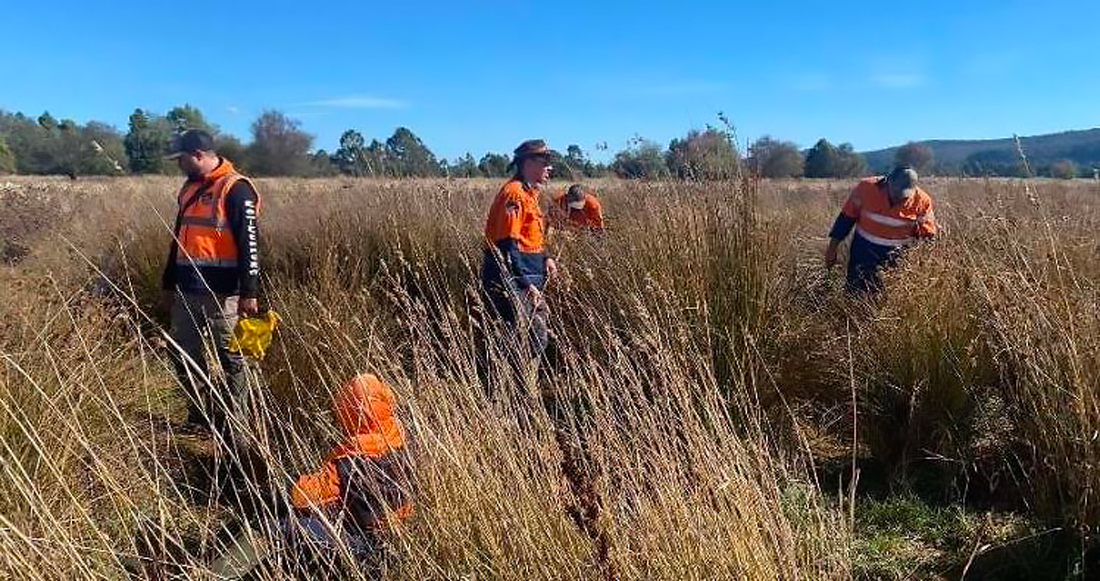
The project supports the established Narrap Unit Ranger program to expand capacity and skillset (capability) in waterway monitoring, planning, management and decision making. The Birrarung Ranger team has completed a series of site visits to selected project pilot sites: Yering Billabong and Biik Wurrdha. Bird and vegetation surveys have been undertaken to understand ecological values at both locations. Working with other teams at Wurundjeri, the Birrarung Rangers are gathering information around the cultural values of selected sites on Wurundjeri Woi-wurrung Country. The team has also completed a workshop exploring different waterway assessment methodologies available to inform the development of a Wurundjeri waterway assessment methodology.
Birrarung’s Billabongs – ARC Linkage project 1
The Narrap Unit continued to work in collaboration with Melbourne Water and The University of Melbourne to assess vegetation and fauna responses to natural and managed flooding at billabongs along the lower Birrarung to inform their adaptive management.
Narrap Unit staff, alongside Melbourne University researchers, have conducted surveys twice a year for the past six years at seven billabongs (Annulus, Banyule, Bolin Bolin, Burke Rd, Horseshoe, Montpellier and Willsmere) that are variably connected to the river. The project monitors understorey vegetation, tree condition and fauna responses to flooding.
The strength of the collaboration between project partners is highlighted by robust discussion during annual On Country knowledge sharing days, where the Narrap Unit, The University of Melbourne researchers, Melbourne Water staff and other land managers (Parks Victoria and Banyule Council) share findings from the project and broader knowledge on the lower Birrarung’s cultural and ecological significance. These On Country gatherings also aim to identify further research needs, and to strengthen Narrap participation and leadership in collaborative project development and management of Country. This ongoing collaboration has led to the development of a successful ARC Linkage grant application to further investigate past management by Wurundjeri people, and to enhance future Wurundjeri-led management of Birrarung’s billabongs.
Influencing environmental watering
Wurundjeri’s Water Program partners with Melbourne Water’s Environmental Water Team to plan environmental watering actions in the Birrarung, Werribee River and Maribrynong River. Wurundjeri’s Water Program prioritises building knowledge at the lower Birrarung billabongs and remains committed to this work.
To protect cultural and ecological values during the 2025/26 watering year, Wurundjeri’s Water Program recommended watering at Bolin Bolin in all planning scenarios - dry, average and wet. This advice builds on findings from the ARC Linkage project, regular flora and fauna surveys and maintenance undertaken by the Narrap Unit and ongoing engagement during seasonal watering proposal process at Bolin Bolin.
In previous years the Water Program has recommended including an eel exit watering action in planning for Bolin Bolin. In March 2025, the Water Program and Melbourne Water’s Environmental Planning Team held an on-Country tour of the Upper Birrarung. The group visited the Upper Yarra Dam, Millgrove Gauging Station, Maroondah Reservoir Park, and Warrandyte. Key project discussions included:
- Environmental water planning
- Banking passing flows project and its role in improving environmental flow compliance at Millgrove
- Maroondah outlet tower and aqueduct replacement project and impacts to Watts River
The day strengthened ongoing engagement and connection between the two teams and provided an opportunity for two-way knowledge exchange. Both teams are now exploring opportunities for future catchment tours.
Maribyrnong FLOWS study input
Wurundjeri’s Water Program was invited to participate in the Maribyrnong FLOWS review process. Wurundjeri’s Water Program and Melbourne Water’s Environmental Water Team identified three key points of engagement in the initial project planning process:
- Narrap Ranger observations and participation in field work
- Water Program participation in the Project Advisory Group
- Elder participation and knowledge sharing opportunities.
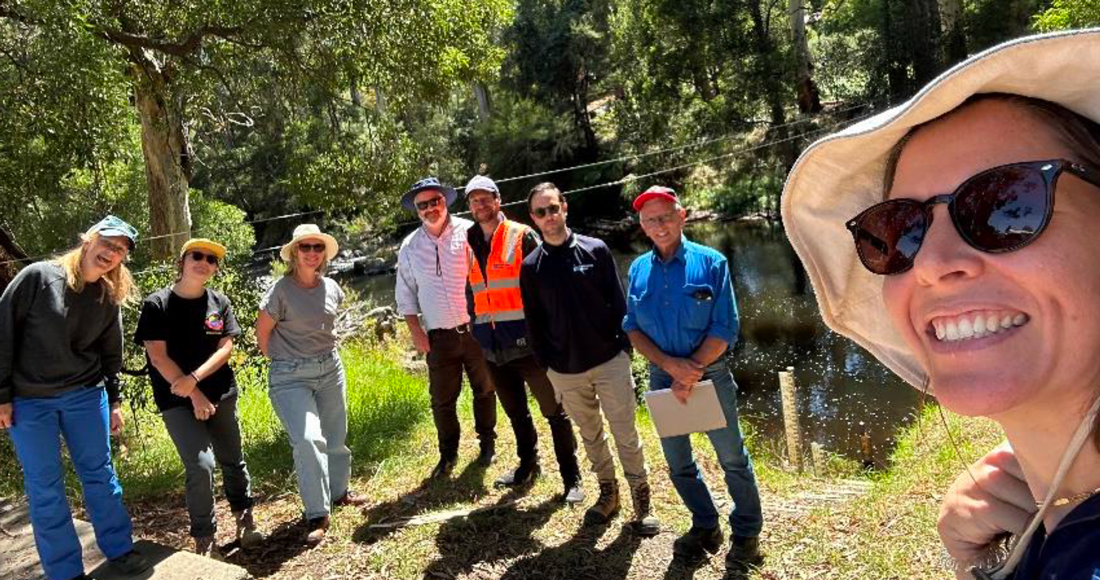
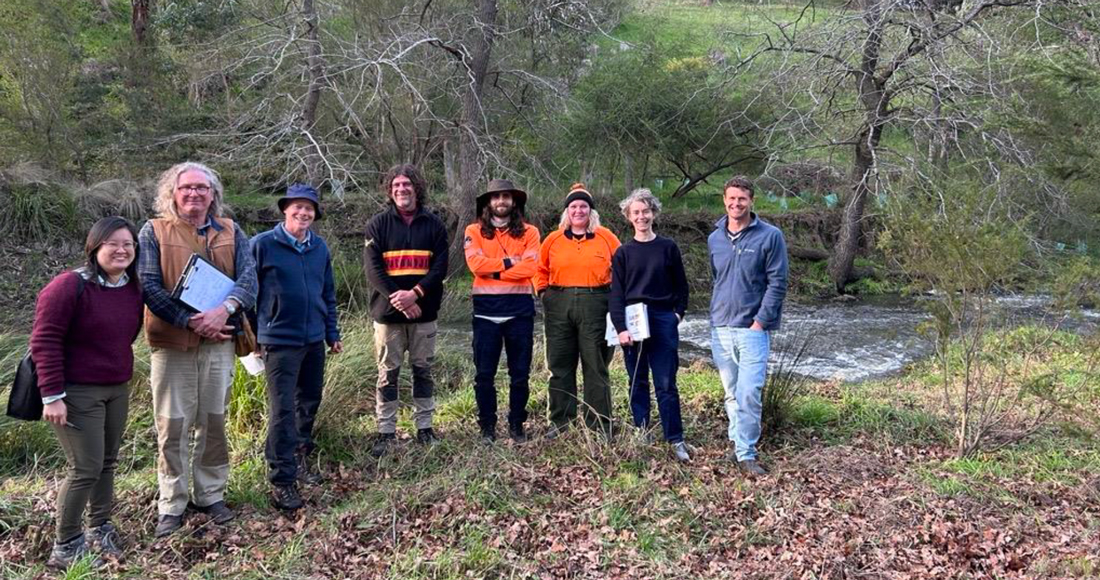
Wurundjeri Woi-wurrung Elder Perry Wandin commenced the field component of the Maribyrnong FLOWS review by welcoming everyone to Wurundjeri Country. Following this the FLOWS Expert Panel supported by the Water Program and Narrap Rangers surveyed reaches of the Maribyrnong. Narrap Rangers were able to provide knowledge around ecological and cultural values and natural resource management work that they currently deliver in the catchment area. Wurundjeri’s Water Program attended a series of meetings and workshops following the field visits providing input to the Project Advisory Group meetings. Wurundjeri Water Program Elders provided verbal feedback on the environmental objectives and flow recommendations in the final stages of the project. The Water Program has asked for oversight and timelines for future FLOWS studies and FLOWS reviews undertaken on Wurundjeri Country, this will help ensure Wurundjeri can be engaged meaningfully.
Burndap Birrarung burndap umarkoo Engagement Framework
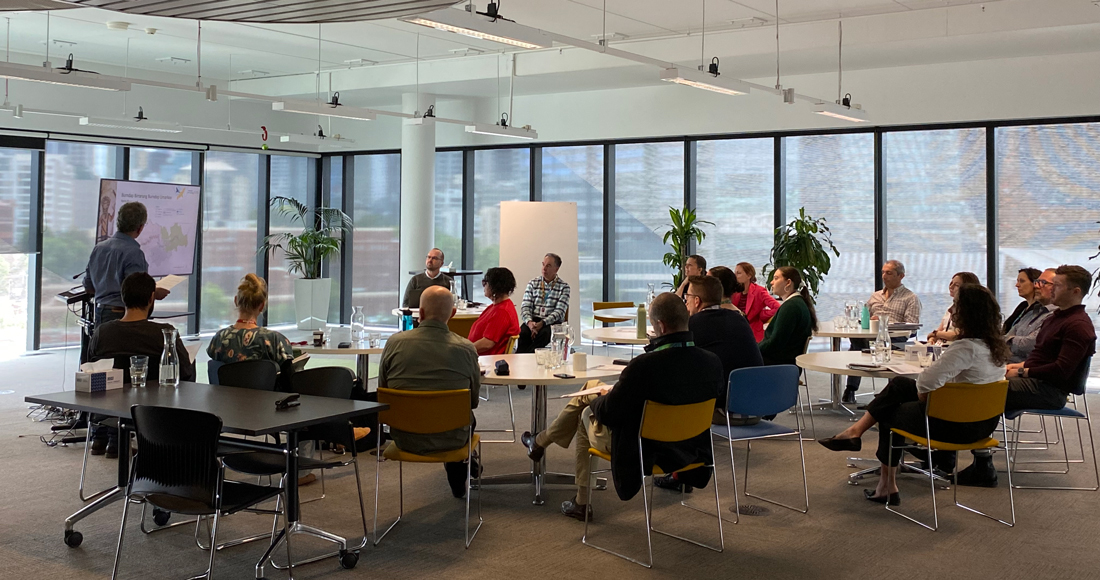
In November 2024, Wurundjeri presented the Burndap Birrarung Burndap Umarkoo Engagement Framework to Melbourne Water. This resource outlines Wurundjeri’s expectations for how Melbourne Water and other Responsible Public Entities should engage with Wurundjeri on activities on Birrarung lands. The document sets out clear protocols and principles to ensure engagement is respectful, timely, and aligned with community decision- making processes. It has been developed in response to a recognised need for more structured and culturally appropriate approaches to working on Country.
This year’s work reflects a continued commitment to self-determined land and water management, cultural leadership, and the strengthening of governance structures. Wurundjeri remains focused on ensuring that this work is grounded in cultural authority and delivers lasting benefits for both Country and community.
Traditional Knowledge in vegetation guidelines
The Narrap team have been working with Melbourne Water and the University of Melbourne to inform and redesign vegetation restoration guidelines, commonly referred to as the Restoration Outcomes Monitoring Protocol (ROMP).
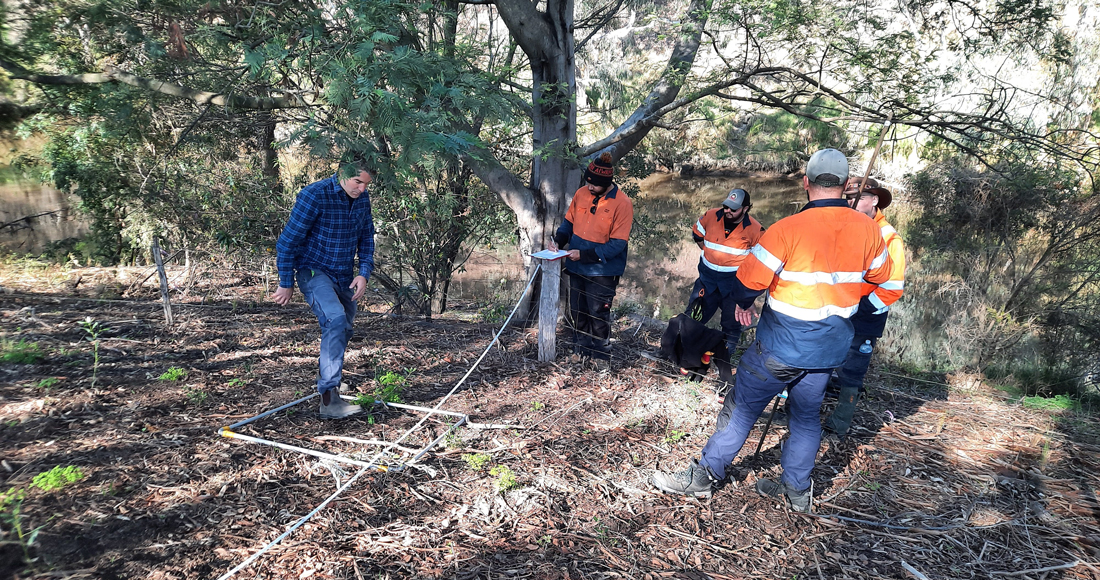
The protocol aims to assess the short- and long-term success of revegetation projects, focussing on riparian zones. Vegetation restoration methods can include cultural burning, riparian bank restoration, seeding, and directly planting terrestrial and aquatic plants. The Narrap team assessed areas along the Birrarung where they had carried out significant weed control in preparation for revegetation, by recording species, health and height of the vegetation. These surveys were completed before revegetation and again after they had carried out revegetation works. The monitoring results will be useful in determining the impact of wider works that Narrap have been carrying out at the farm, including weed control and revegetation, watering, scorching and ongoing maintenance.
The Narrap team would like to include Bolin Bolin Billabong in future assessment sites, and continue with the assessment at Collingwood Children’s Farm in future years.
Healthy Country Planning at Yan Yean Reservoir
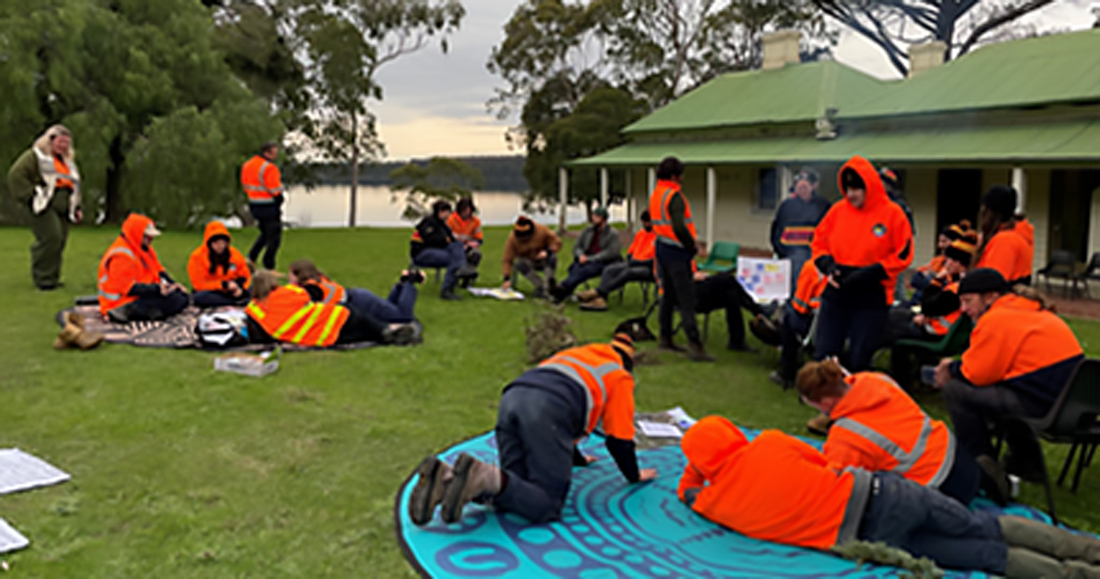
Since July 2024, Wurundjeri have been developing a Healthy Country Plan for Yan Yean Reservoir, a site of cultural and ecological significance to Wurundjeri. The Narrap Team have been involved in looking after Country at Yan Yean for many years, and the Healthy Country Plan is heavily informed by their work. Planning has been undertaken through on-Country workshops and walks, guided by the input of leaders and knowledge-holders. Since July 2024, Wurundjeri have engaged in seven workshops. During this time they collated data, ranked threats and values, created a draft plan and established strategies for monitoring important values. The plan will detail Wurundjeri’s long-term priorities and actions to ensure this Country is cared for in accordance with cultural values and community-defined outcomes.
This document will become a principal strategy piece to inform Melbourne Water’s activity at Yan Yean Reservoir.
Revegetation and Ecological Restoration
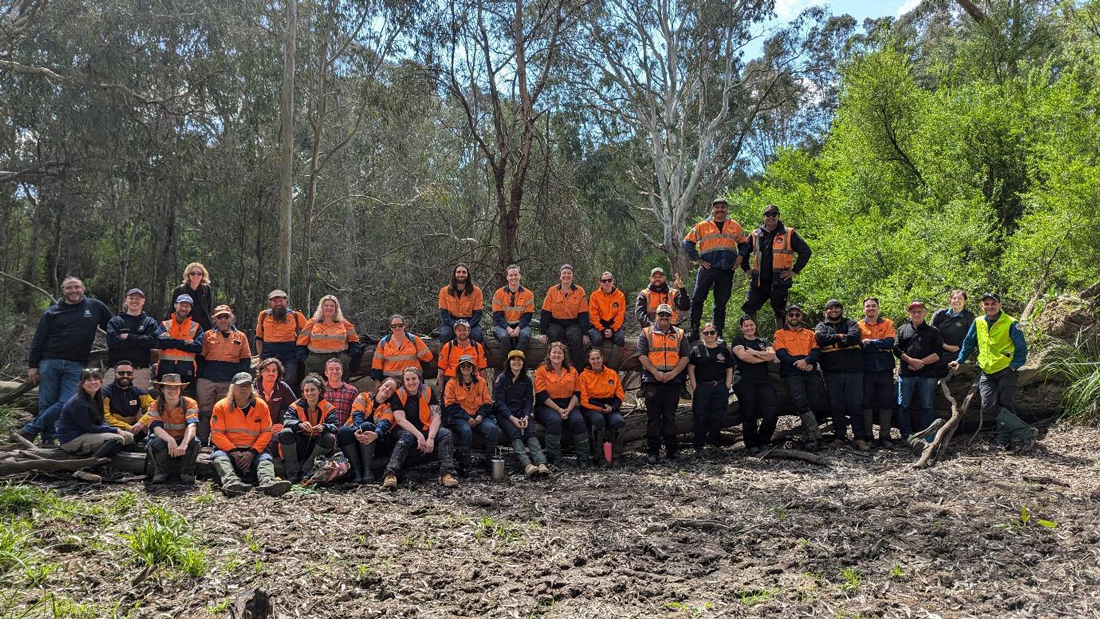
Significant revegetation activities have been carried out by the Narrap Tea within Lerderderg State Park. The goals for this project have been to improve, create and connect habitat for biodiversity, to heal Country and provide social and cultural benefits. The Narrap Team spent a week working on the Goodmans Creek tributaries in November 2024, followed by three weeks of work on Lerderderg River in February – April 2025. This work supports the regeneration of habitat and protection of culturally significant places.
Groundwater knowledge exchange
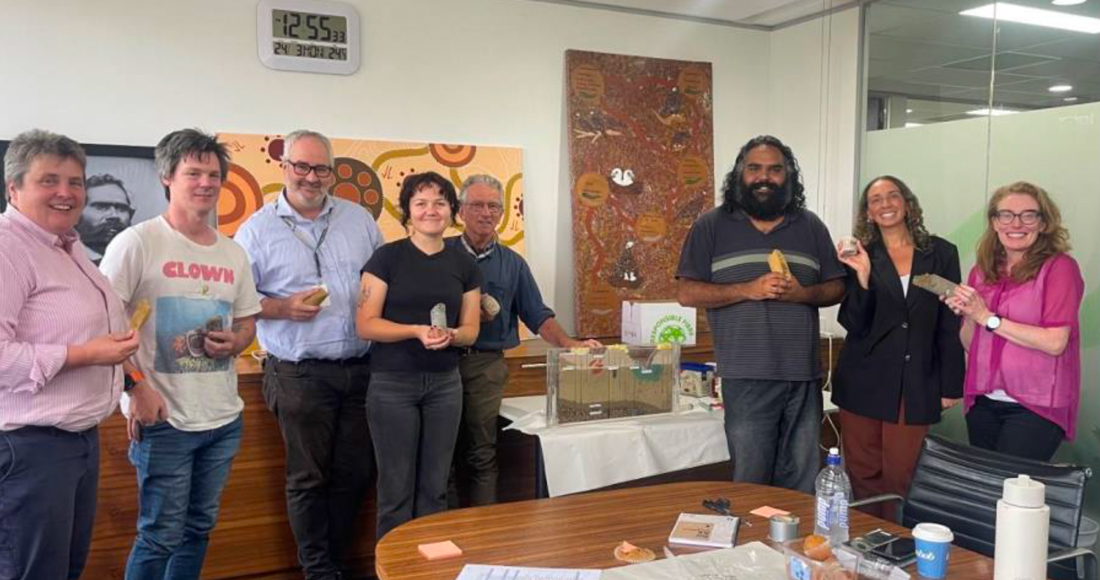
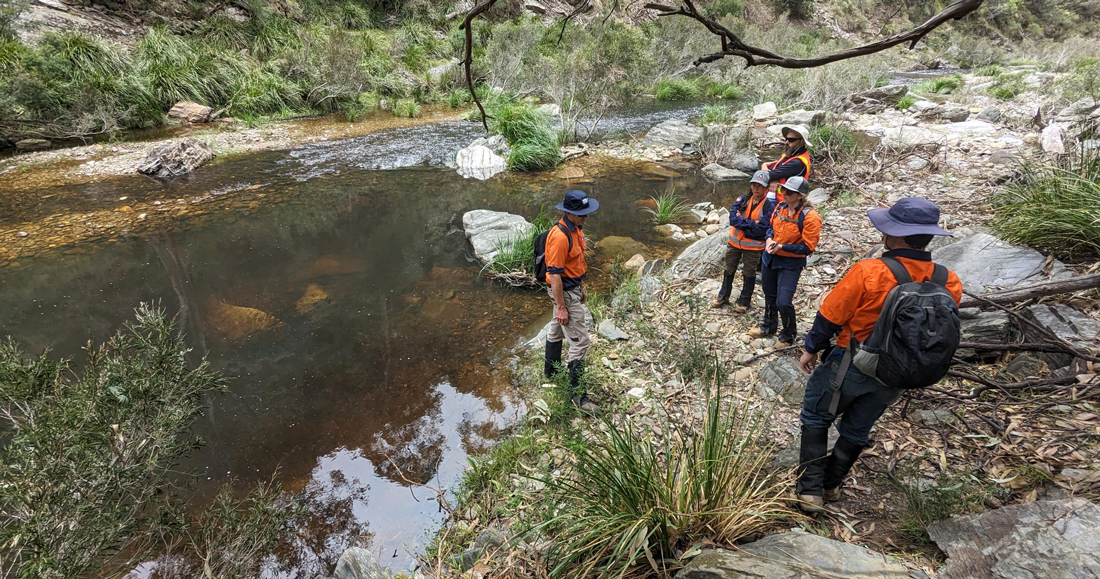
Narrap Unit’s Water Program, supported by Jacobs and Melbourne Water, have been exploring how groundwater on Wurundjeri Woi-wurrung Country supports cultural values. Through a series of workshops, an on-Country Day and the development of supporting tools, the Water Program is building understanding and confidence in groundwater management processes, and potential risks and impacts to groundwater and related cultural values on Wurundjeri Woi-wurrung Country.